Treatment Location
The Villa, 9 Lansdowne Square, Weymouth, Dorset DT4 9QT

Feet First

Why Your Feet Deserve More Than Just a Workout

The Foundation We Forget

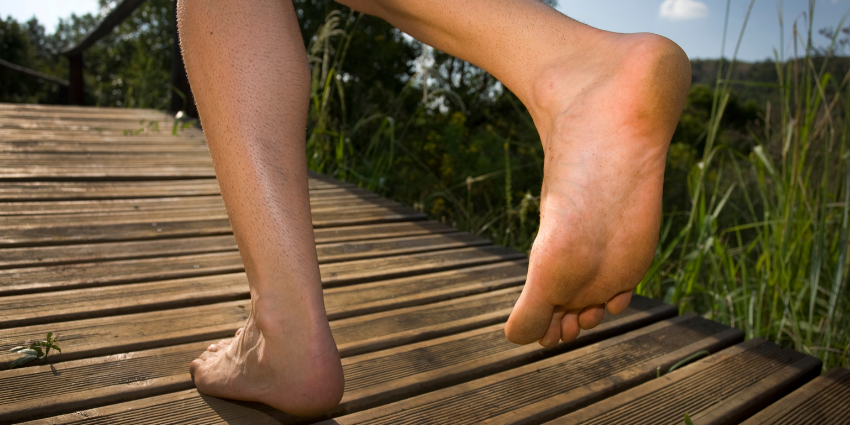
We ask a lot of our feet. Every step, every run, every hop, skip and jump depends on them. They carry our weight, absorb impact, stabilise our movement, and keep us upright in a wobbly world. And yet, for most of us, they only really get noticed when something goes wrong.

Read More

Understanding Knee Injuries

Understanding the Joint, Common Issues, and How to Recover

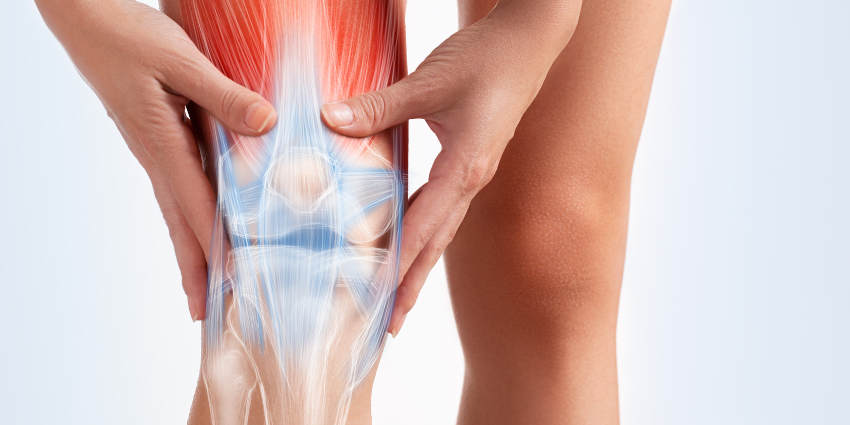
The knee is one of the most important joints in your body, playing a vital role in movement, balance, and stability. Whether you’re running, jumping, or simply walking, your knees bear the brunt of your activities. Unfortunately, this also makes them prone to injury. In this blog, we’ll break down the basics of knee anatomy, discuss common injuries, and explore how physiotherapy can help you recover and prevent future problems.

Read More

Community Physiotherapy

The diversity of conditions...

Community physiotherapy plays a vital role in improving the health and well-being of people in their homes, work places, care facilities, or local health centres. Unlike traditional clinic-based physiotherapy, community physiotherapy is tailored to meet the needs of individuals who may have difficulty traveling to appointments. This service addresses a broad spectrum of conditions, helping people regain mobility, manage pain, and enhance their quality of life.  In this blog, we’ll explore the various conditions treated by community physiotherapists and how their support makes a difference.

Community physiotherapists provide more than just physical treatment—they empower patients to live fuller, more independent lives.

Read More

Understanding Achilles Tendinopathy:

Causes, Symptoms, and Effective Treatments

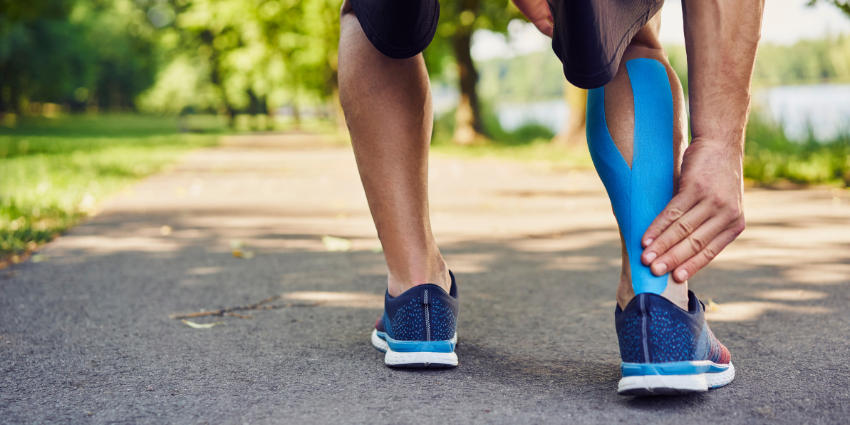
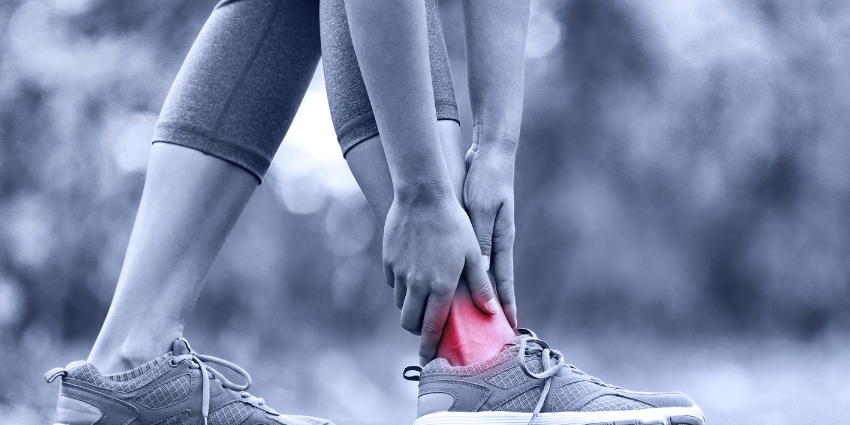
The Achilles tendon is one of the most important structures in your lower leg. Whether you’re a runner, a sports enthusiast, or simply leading an active lifestyle, your Achilles plays a crucial role in helping you move. Unfortunately, it’s also prone to injury, particularly Achilles tendinopathy, which can be painful and debilitating. In this blog, we’ll explore the function of the Achilles tendon, delve into Achilles tendinopathy, discuss other injuries that can be mistaken for it, and look at how physiotherapy and Shockwave Therapy can offer relief.

What is the Achilles Tendon and What Does It Do?

The Achilles tendon is the largest and strongest tendon in your body, connecting the calf muscles (gastrocnemius and soleus) to the heel bone (calcaneus). This tendon allows you to perform actions like walking, running, jumping, and standing on your toes. Essentially, every time you push off the ground with your foot, your Achilles tendon is doing the heavy lifting.

Achilles Tendinopathy: A Common, Debilitating Injury;

Achilles tendinopathy is a condition that occurs when the tendon becomes irritated, inflamed, or degenerates due to overuse or strain. It typically develops gradually over time, causing pain, stiffness, and swelling around the back of the ankle or lower calf.

How is Achilles Tendinopathy Caused?

Achilles tendinopathy is often caused by repetitive stress or overloading of the tendon. Common risk factors include:

  • Overuse from running or jumping sports: Activities like running, basketball, and tennis place a lot of stress on the Achilles tendon, leading to micro-tears in the tissue.
  • Sudden increase in activity levels: Going from little activity to intense training can strain the tendon.
  • Tight calf muscles: Limited flexibility in the calf muscles can put extra pressure on the Achilles tendon.
  • Improper footwear: Wearing shoes that lack proper support or have worn-out soles can contribute to the condition.
  • Aging: As we age, the Achilles tendon becomes less flexible, increasing the risk of injury.

The Debilitating Effects of Achilles Tendinopathy

Achilles tendinopathy can be a frustrating condition for athletes and active individuals. The pain often starts as mild discomfort, but it can worsen over time, becoming chronic and affecting your ability to perform daily activities. In severe cases, the tendon may weaken, leading to a higher risk of a complete Achilles rupture, which requires surgery and a lengthy rehabilitation.

Key symptoms include:

  • Pain and stiffness in the tendon, especially in the morning.
  • Swelling or thickening of the tendon.
  • Difficulty with activities like walking, running, or climbing stairs.
  • Tenderness and pain when pressing on the tendon.

Other Injuries Often Mistaken for Achilles Tendinopathy

Several other conditions can present similar symptoms to Achilles tendinopathy, which makes it important to have a proper diagnosis. These include:

  1. Achilles Bursitis: Inflammation of the bursae (small fluid-filled sacs) near the Achilles tendon can cause pain and swelling similar to tendinopathy. This is often caused by pressure from footwear.

  2. Posterior Tibial Tendon Dysfunction (PTTD): This condition affects the tendon running along the inside of the ankle and can cause pain that radiates toward the Achilles tendon area.

  3. Plantar Fasciitis: Though the pain is usually felt under the heel, some patients with plantar fasciitis can experience discomfort in areas that overlap with Achilles tendon pain.

  4. Calf Strain: Strains of the gastrocnemius or soleus muscles may mimic the pain associated with Achilles tendinopathy, especially if the strain is lower in the calf.

Treatment Options for Achilles Tendinopathy

Effective management of Achilles tendinopathy focuses on reducing pain, promoting healing, and restoring the strength and flexibility of the tendon. Here’s how physiotherapy and Shockwave Therapy can help.

Physiotherapy for Achilles Tendinopathy

A structured physiotherapy program is essential in treating Achilles tendinopathy. It can help you recover from the injury and reduce the likelihood of recurrence.

  1. Eccentric Strengthening Exercises: One of the most effective treatments for Achilles tendinopathy is eccentric loading exercises, which involve lengthening the Achilles tendon under tension. This helps to rebuild tendon strength and resilience.

  2. Stretching and Mobility Work: Gentle calf stretches can improve flexibility in the muscles surrounding the Achilles, reducing stress on the tendon.

  3. Manual Therapy: Hands-on treatments such as deep tissue massage, joint mobilizations, and trigger point release can relieve tension in the muscles around the tendon and improve blood flow to the area.

  4. Activity Modification: Reducing high-impact activities like running or jumping can allow the tendon to heal.  Cross-training options such as swimming or cycling to maintain fitness during recovery can be really helpful.

  5. Footwear and Orthotics: Wearing proper supportive footwear and, in some cases, using orthotic inserts can help alleviate stress on the Achilles.  Whilst we are big advocates for minimal support for your feet, there does come a time when that support becomes essential.

When is Shockwave Therapy a Good Idea?

Shockwave Therapy can be an excellent option when traditional physiotherapy techniques are not enough to resolve Achilles tendinopathy. Here’s how it works:

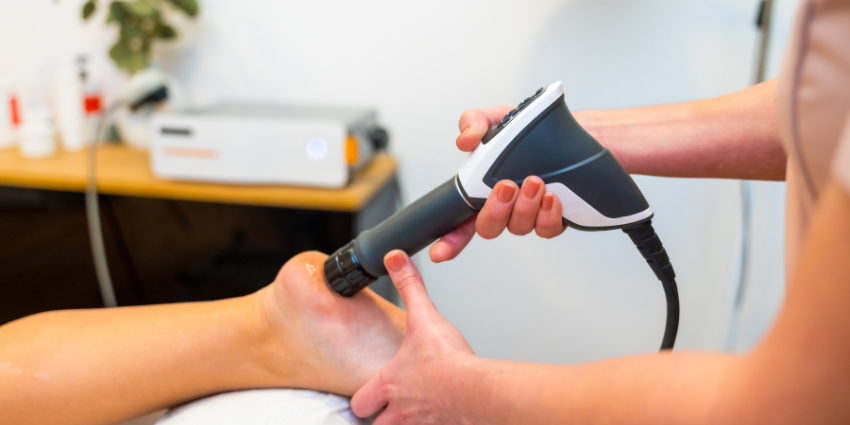
  • What is Shockwave Therapy? It involves applying high-energy sound waves to the injured tendon. These shockwaves help increase blood flow to the area, stimulate tissue repair, and break down calcifications or scar tissue, promoting faster healing.

  • Why use it for Achilles Tendinopathy? Shockwave Therapy has been shown to be highly effective for chronic tendon injuries like Achilles tendinopathy, especially when other treatments haven’t provided sufficient relief. Research has demonstrated significant improvements in pain levels and function with Shockwave Therapy for patients with persistent Achilles issues.

  • When should you consider Shockwave Therapy? If you’ve been dealing with Achilles tendinopathy for more than 3 months and have not seen significant improvement with conventional treatments, Shockwave Therapy could be a game-changer. It’s non-invasive, safe, and has minimal recovery time, allowing you to continue physiotherapy alongside treatment.

Conclusion

Achilles tendinopathy is a challenging injury that can impact your mobility and quality of life. However, with the right treatment plan, including physiotherapy and possibly Shockwave Therapy, you can overcome the condition and return to your active lifestyle. If you’re struggling with Achilles pain or suspect you might have tendinopathy, contact Nine Physio today to discuss how we can help you recover and stay injury-free.

Shockwave Therapy

Unlock the Power of Shockwave Therapy...

We are excited to introduce Shockwave Therapy to our clinic—a revolutionary, non-invasive treatment that has shown significant success in treating a variety of musculoskeletal conditions. In this blog, we’ll explore what Shockwave Therapy is, who can benefit from it, the types of injuries it addresses, and how effective it is based on the latest research.

Read More

Bringing Physiotherapy to the doorstep

the importance of community phsyiotherapy...

Community Physiotherapy is a specialized service that extends physiotherapy care beyond the traditional clinical setting. This service is aimed at individuals who face challenges in accessing clinic-based services, including those with mobility problems, the elderly, post-surgery patients, stroke survivors, and individuals with respiratory conditions.  Physiotherapists provide comprehensive care in the comfort of your home, workplace, care home, or community center.

Read More

Understanding the shoulder

Preventing, and treating common shoulder injuries...

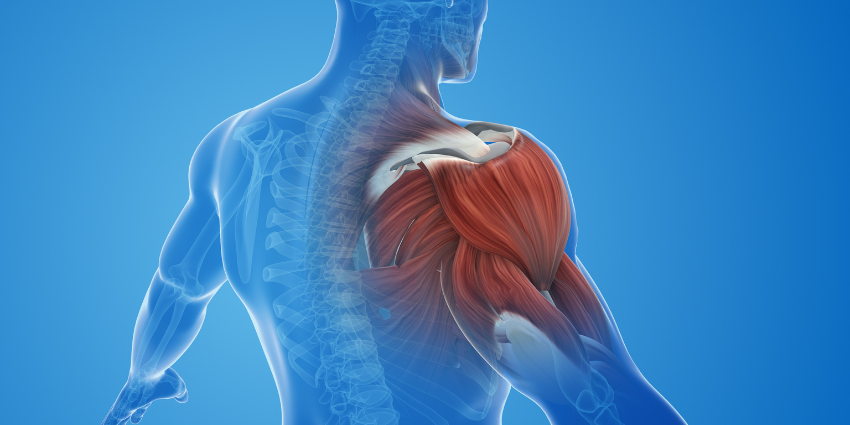
The shoulder is one of the most complex and versatile joints in the human body, playing a crucial role in both athletic performance and everyday activities. From throwing a ball to reaching for an item on a high shelf, the shoulder’s anatomy and function are integral to our mobility and functionality. In this blog, we’ll delve into the basic anatomy of the shoulder joint, explore its significance in sports performance and daily function, whilst looking at how we can navigate shoulder injuries.

Read More

Training through Injury

Successfully navigating the road to recovery...

For athletes, both competitive and recreational, the desire to continue training despite injury is often deeply ingrained. Whether driven by passion, dedication, or the fear of losing progress, the impulse to push through can be strong. However, it’s crucial to approach training with an injury with caution and consideration. In this blog, we’ll explore why athletes are inclined to continue training despite injury, the important factors to consider when doing so, and the key aspects of a progressive physiotherapy plan for effective rehabilitation.

Read More

Decoding rehab and prehab

A guide for runners, CrossFit athletes, and BJJ enthusiasts

Whether you’re a dedicated runner hitting the pavements, a CrossFitter grinding through intense WODs, or a Brazilian Jiu-Jitsu enthusiast grappling on the mat, understanding the nuances between rehabilitation (rehab) and prehabilitation (prehab) is crucial for optimising your performance and preventing injuries.

As we see a lot of these athletes, I wanted to share the nuances between rehabilitation (rehab) and prehabilitation (prehab) and how the expertise of physiotherapy and sports massage can play a pivotal role in supporting your journey with the range of prevalent injuries that occur within these sports

So… Rehab vs. Prehab:

Rehab – healing and recovery process: Rehabilitation is typically associated with recovering from injuries or addressing existing musculoskeletal issues.  Whether it’s runners grappling with issues like shin splints, IT band syndrome, or runners knee,  physiotherapy interventions are tailored to address these common running injuries.  Or maybe CrossFit athletes dealing with shoulder impingement, tendinitis, or muscle strains find solace in the rehabilitative process.  Likewise, BJJ practitioners facing joint dislocations, sprains, or muscle tears benefit from targeted rehabilitation programs. Our goal is to restore functionality, alleviate pain, and guide you back to peak performance levels.

Physiotherapists employ evidence-based techniques to assess, diagnose, and treat injuries. Through tailored rehabilitation plans, we focus on restoring functionality, alleviating pain, and guiding athletes back to their peak performance levels.

Prehab – Proactively Preventing Injuries: Prehabilitation is about proactive injury prevention, identifying potential weak points, and fortifying the body before injuries occur. Often athletes will turn their rehab journey into a prehab journey so they can continue to enjoy their sport of choice. Whether that’s runners strengthening their core or hips, CrossFit athletes focusing on joint stability, or BJJ enthusiasts enhancing mobility and connecting their bodies – or a whole load of something else.

Physiotherapists work closely with athletes to design prehab programs tailored to their specific activities.

These types of programs often include strength work, mobility drills, activation and work on biomechanics and function, addressing potential weak points and reducing the risk of future injuries.

In both rehab and prehab, sports massage plays a complementary role. For rehabilitation, targeted massage can help alleviate muscle tension, improve circulation, and accelerate the healing process. In prehab, regular sports massage aids in maintaining optimal muscle function, reducing muscle imbalances, and enhancing overall flexibility.

Conclusion: Whether you’re a runner, CrossFit enthusiast, a BJJ practitioner, or pursue a different athletic passion,  integrating physiotherapy and sports massage into your routine can make a substantial difference in both rehabilitating existing injuries and proactively preventing new ones. Understanding the unique demands of your sport and working collaboratively with a physiotherapist can help pave the way for a resilient and enduring athletic journey