Treatment Location
The Villa, 9 Lansdowne Square, Weymouth, Dorset DT4 9QT

Feet First

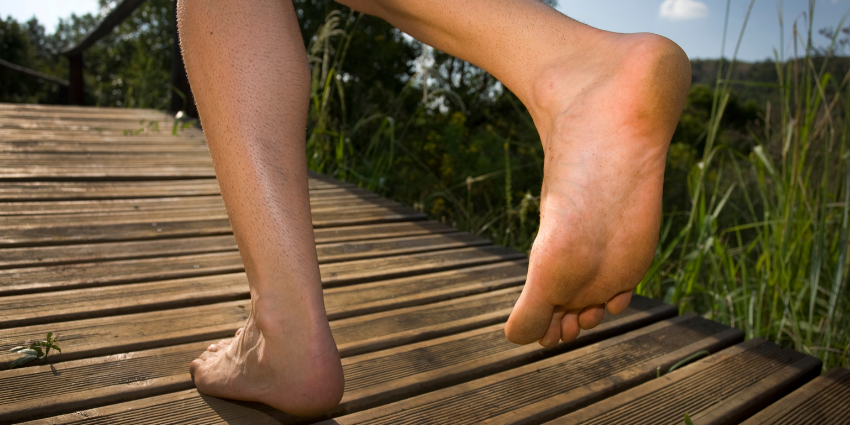
Why Your Feet Deserve More Than Just a Workout

The Foundation We Forget

We ask a lot of our feet. Every step, every run, every hop, skip and jump depends on them. They carry our weight, absorb impact, stabilise our movement, and keep us upright in a wobbly world. And yet, for most of us, they only really get noticed when something goes wrong.

Read More

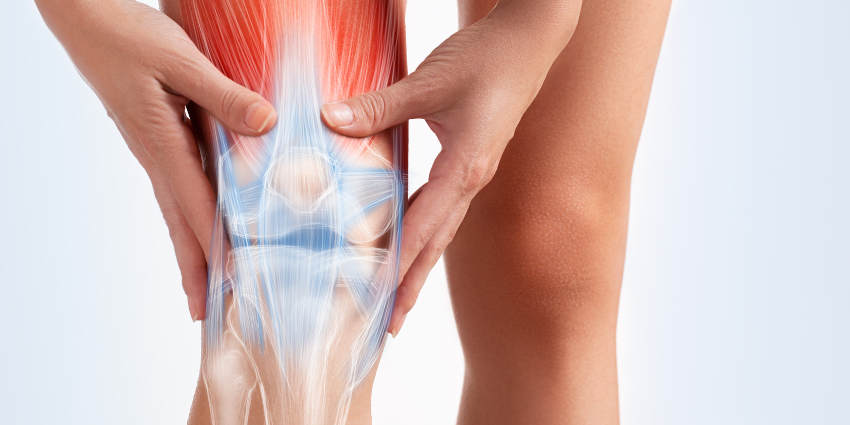
Understanding Knee Injuries

Understanding the Joint, Common Issues, and How to Recover

The knee is one of the most important joints in your body, playing a vital role in movement, balance, and stability. Whether you’re running, jumping, or simply walking, your knees bear the brunt of your activities. Unfortunately, this also makes them prone to injury. In this blog, we’ll break down the basics of knee anatomy, discuss common injuries, and explore how physiotherapy can help you recover and prevent future problems.

Read More

Why running is important

the why, getting a plan and avoiding injuries…

Running is a universally accessible and highly beneficial activity that plays a crucial role in maintaining physical and mental health. It offers numerous advantages, including improved cardiovascular health, enhanced mental well-being, and the ability to build community connections.

Read More

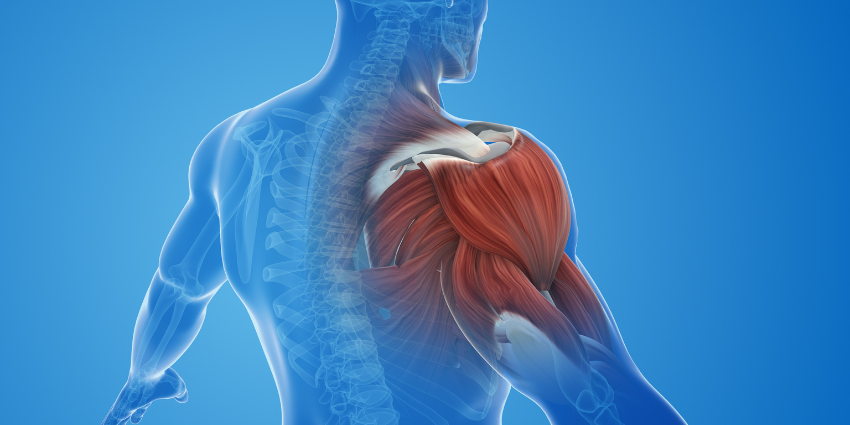
Understanding the shoulder

Preventing, and treating common shoulder injuries...

The shoulder is one of the most complex and versatile joints in the human body, playing a crucial role in both athletic performance and everyday activities. From throwing a ball to reaching for an item on a high shelf, the shoulder’s anatomy and function are integral to our mobility and functionality. In this blog, we’ll delve into the basic anatomy of the shoulder joint, explore its significance in sports performance and daily function, whilst looking at how we can navigate shoulder injuries.

Read More

Pain Free Ageing

Why we shouldn't accept pain as a natural part of ageing...

As we journey through life, it’s not uncommon to encounter the occasional ache or pain, particularly as we age. However, accepting these discomforts as an inevitable part of getting older may not be the only option. In this blog, we’ll explore the misconception surrounding age-related aches and pains and delve into proactive strategies to maintain an active lifestyle without unnecessary discomfort. From understanding the importance of posture to optimising movement patterns for sports participation, let’s uncover how embracing a holistic approach to wellness can defy the notion of ageing gracefully. 

Read More

Building Resilience

Injury prevention strategies for athletes and the ageing Body

Resilience is the backbone of athletic success—a quality that not only helps athletes bounce back from setbacks but also fortifies them against future challenges. As athletes age, the body undergoes natural changes that can increase the risk of injury. Therefore, it becomes paramount for athletes (which I would quantify as anybody that takes part in sport, at any level), both young and old, to adopt proactive injury prevention strategies.

So let’s take a look at how ALL athletes, regardless of ability, can build resilience and safeguard against injuries, with a special focus on the unique considerations of the ageing body…

  1. Understanding Your Body: Athletes, regardless of age, need to have a deep understanding of their bodies’ biomechanics and limitations. For ageing athletes, this means acknowledging and accommodating changes such as decreased muscle mass, joint stiffness, and slower recovery times. By recognising these age-related shifts, athletes can tailor their training plans and strategies to minimise the risk of injury while maximising performance. Because let’s face it, regardless of how good we are or aren’t, we all generally want to do the best we can with the time we have available and the body that we have been given.

  2. Prioritising Recovery: As mentioned already, as athletes age, recovery becomes increasingly vital for maintaining peak performance and preventing injuries. Ageing bodies require more time to recover from intense workouts, making rest, nutrition, and hydration essential components of any training program. Incorporating restorative practices like yoga, meditation, and mobility exercises can help the ageing athlete stay nimble, resilient, and injury-free.

  3. Cross-Train Wisely: Cross-training is a valuable tool for athletes of all ages, offering a means to improve overall fitness while reducing the risk of overuse injuries. For ageing athletes, cross-training takes on added importance as it helps address imbalances, maintain joint mobility, and enhance cardiovascular health. Activities like swimming, cycling, and resistance training provide low-impact alternatives to high-intensity workouts, allowing ageing athletes to stay fit and resilient without subjecting their bodies to undue stress.

  4. Focusing on Strength and Stability: Maintaining muscle strength and joint stability is crucial for ageing athletes looking to prevent injuries and prolong their athletic careers. Resistance training, balance exercises, and functional movements help counteract age-related muscle loss and improve overall stability. By prioritizing strength and stability training, ageing athletes can enhance their resilience and reduce the likelihood of falls during training, strains, and other common injuries.

  5. Listening to Your Body: As athletes age, it becomes even more important to listen to your body and heed any warning signs of potential injury…

Persistent pain, joint stiffness, and decreased range of motion are not inevitable consequences of aging but rather indicators that something may be amiss.

By tuning into these signals and responding accordingly—whether it’s adjusting training intensity, seeking professional guidance, or incorporating more rest days—ageing athletes can mitigate the risk of injury and sustain their athletic pursuits for years to come.

Building resilience and preventing injuries should be seen as a lifelong journey for athletes, particularly as they navigate the natural changes that accompany ageing. By understanding our bodies, prioritising recovery, cross-training wisely, focusing on strength and stability, and listening to the subtle messages our bodies give us, athletes of all ages and abilities can minimise the risk of injury and continue to thrive in their chosen sports.

Remember, resilience knows no age limit—it’s a quality that can be cultivated and strengthened at every stage of life, allowing the ageing athlete to flourish and be at our best well into later life.

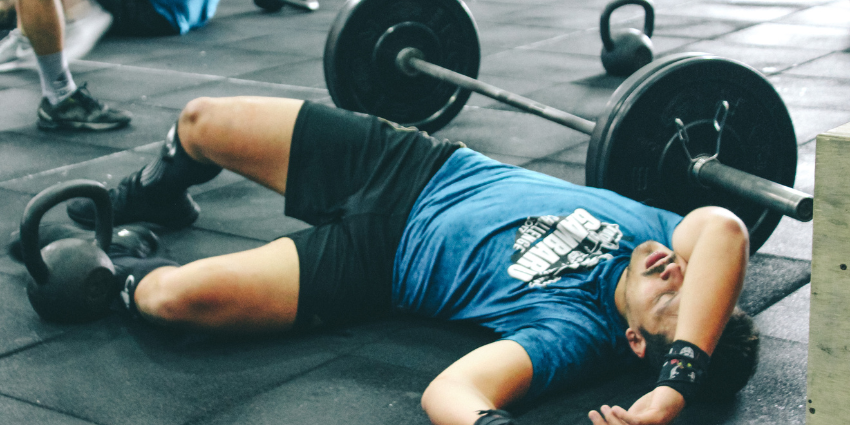
Decoding rehab and prehab

A guide for runners, CrossFit athletes, and BJJ enthusiasts

Whether you’re a dedicated runner hitting the pavements, a CrossFitter grinding through intense WODs, or a Brazilian Jiu-Jitsu enthusiast grappling on the mat, understanding the nuances between rehabilitation (rehab) and prehabilitation (prehab) is crucial for optimising your performance and preventing injuries.

As we see a lot of these athletes, I wanted to share the nuances between rehabilitation (rehab) and prehabilitation (prehab) and how the expertise of physiotherapy and sports massage can play a pivotal role in supporting your journey with the range of prevalent injuries that occur within these sports

So… Rehab vs. Prehab:

Rehab – healing and recovery process: Rehabilitation is typically associated with recovering from injuries or addressing existing musculoskeletal issues.  Whether it’s runners grappling with issues like shin splints, IT band syndrome, or runners knee,  physiotherapy interventions are tailored to address these common running injuries.  Or maybe CrossFit athletes dealing with shoulder impingement, tendinitis, or muscle strains find solace in the rehabilitative process.  Likewise, BJJ practitioners facing joint dislocations, sprains, or muscle tears benefit from targeted rehabilitation programs. Our goal is to restore functionality, alleviate pain, and guide you back to peak performance levels.

Physiotherapists employ evidence-based techniques to assess, diagnose, and treat injuries. Through tailored rehabilitation plans, we focus on restoring functionality, alleviating pain, and guiding athletes back to their peak performance levels.

Prehab – Proactively Preventing Injuries: Prehabilitation is about proactive injury prevention, identifying potential weak points, and fortifying the body before injuries occur. Often athletes will turn their rehab journey into a prehab journey so they can continue to enjoy their sport of choice. Whether that’s runners strengthening their core or hips, CrossFit athletes focusing on joint stability, or BJJ enthusiasts enhancing mobility and connecting their bodies – or a whole load of something else.

Physiotherapists work closely with athletes to design prehab programs tailored to their specific activities.

These types of programs often include strength work, mobility drills, activation and work on biomechanics and function, addressing potential weak points and reducing the risk of future injuries.

In both rehab and prehab, sports massage plays a complementary role. For rehabilitation, targeted massage can help alleviate muscle tension, improve circulation, and accelerate the healing process. In prehab, regular sports massage aids in maintaining optimal muscle function, reducing muscle imbalances, and enhancing overall flexibility.

Conclusion: Whether you’re a runner, CrossFit enthusiast, a BJJ practitioner, or pursue a different athletic passion,  integrating physiotherapy and sports massage into your routine can make a substantial difference in both rehabilitating existing injuries and proactively preventing new ones. Understanding the unique demands of your sport and working collaboratively with a physiotherapist can help pave the way for a resilient and enduring athletic journey


The silent guardian of athletic prowess…

Unveiling the role of Physiotherapy in injury prevention

In the dynamic world of sports, where pushing boundaries is a way of life, the pursuit of excellence often comes with its share of physical challenges. For athletes, the line between peak performance and potential injury is thin. Enter physiotherapy – the silent yet potent guardian of athletic prowess. In this blog, we delve into the pivotal role of physiotherapy in the realm of injury prevention, unraveling the science behind its effectiveness and how it becomes an indispensable ally for athletes

Read More

The power of touch…

A guide to the benefits of sports massage

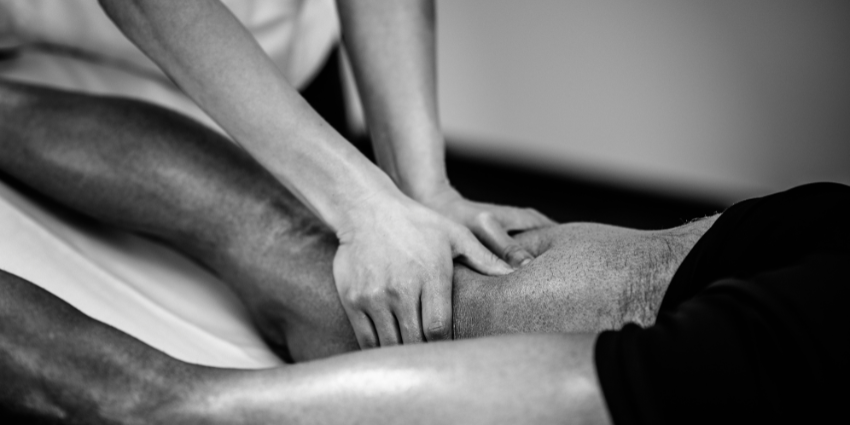
In the realm of athletic performance and recovery, one often-underestimated ally stands out – sports massage. Beyond the soothing strokes and relaxing ambiance, sports massage is a targeted and therapeutic practice that plays a pivotal role in enhancing an athlete’s overall well-being. In this guide, we delve into the myriad benefits of sports massage, shedding light on why it has become an indispensable component of holistic sports therapy.

Read More