Treatment Location
The Villa, 9 Lansdowne Square, Weymouth, Dorset DT4 9QT

Could Less Sugar Change the Way You Feel?

What happened when I got curious for 30 days and what you might notice too...

You don’t need to give up sugar forever.
But you might want to get curious about what it’s doing to your energy, mood and recovery.

As a physio, I see a lot of people who feel tired, bloated or sore even when they’re doing everything “right.” They’re stretching, exercising, trying to eat well, but something still feels off.

I started wondering if sugar could be part of the picture. Not just the obvious stuff like cakes, biscuits and fizzy drinks, but the sugar that sneaks into sauces, cereals and even so-called healthy snacks. So I gave it up. Refined sugar. Completely. For 30 days.

This post isn’t about what I did. It’s about what you might notice if you try something similar. If you’re curious about how sugar might be affecting your body, this is for you.

Read More

Feet First

Why Your Feet Deserve More Than Just a Workout

The Foundation We Forget

We ask a lot of our feet. Every step, every run, every hop, skip and jump depends on them. They carry our weight, absorb impact, stabilise our movement, and keep us upright in a wobbly world. And yet, for most of us, they only really get noticed when something goes wrong.

Read More

Understanding Knee Injuries

Understanding the Joint, Common Issues, and How to Recover

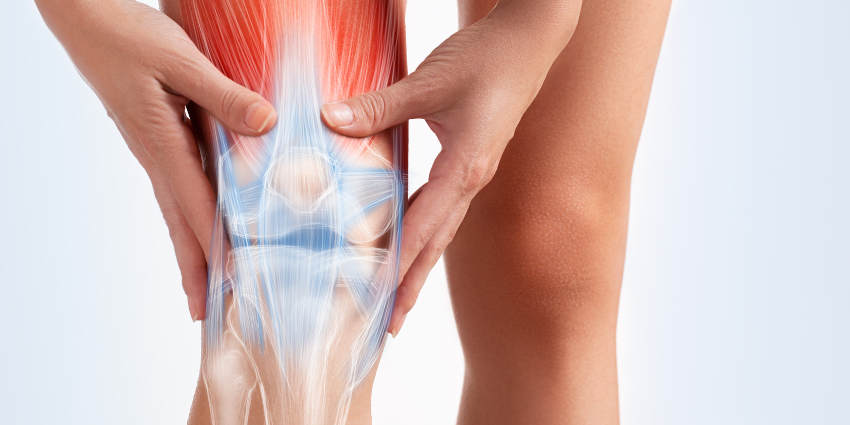
The knee is one of the most important joints in your body, playing a vital role in movement, balance, and stability. Whether you’re running, jumping, or simply walking, your knees bear the brunt of your activities. Unfortunately, this also makes them prone to injury. In this blog, we’ll break down the basics of knee anatomy, discuss common injuries, and explore how physiotherapy can help you recover and prevent future problems.

Read More

Community Physiotherapy

The diversity of conditions...

Community physiotherapy plays a vital role in improving the health and well-being of people in their homes, work places, care facilities, or local health centres. Unlike traditional clinic-based physiotherapy, community physiotherapy is tailored to meet the needs of individuals who may have difficulty traveling to appointments. This service addresses a broad spectrum of conditions, helping people regain mobility, manage pain, and enhance their quality of life.  In this blog, we’ll explore the various conditions treated by community physiotherapists and how their support makes a difference.

Community physiotherapists provide more than just physical treatment—they empower patients to live fuller, more independent lives.

Read More

Understanding Achilles Tendinopathy:

Causes, Symptoms, and Effective Treatments

The Achilles tendon is one of the most important structures in your lower leg. Whether you’re a runner, a sports enthusiast, or simply leading an active lifestyle, your Achilles plays a crucial role in helping you move. Unfortunately, it’s also prone to injury, particularly Achilles tendinopathy, which can be painful and debilitating. In this blog, we’ll explore the function of the Achilles tendon, delve into Achilles tendinopathy, discuss other injuries that can be mistaken for it, and look at how physiotherapy and Shockwave Therapy can offer relief.

What is the Achilles Tendon and What Does It Do?

The Achilles tendon is the largest and strongest tendon in your body, connecting the calf muscles (gastrocnemius and soleus) to the heel bone (calcaneus). This tendon allows you to perform actions like walking, running, jumping, and standing on your toes. Essentially, every time you push off the ground with your foot, your Achilles tendon is doing the heavy lifting.

Achilles Tendinopathy: A Common, Debilitating Injury;

Achilles tendinopathy is a condition that occurs when the tendon becomes irritated, inflamed, or degenerates due to overuse or strain. It typically develops gradually over time, causing pain, stiffness, and swelling around the back of the ankle or lower calf.

How is Achilles Tendinopathy Caused?

Achilles tendinopathy is often caused by repetitive stress or overloading of the tendon. Common risk factors include:

  • Overuse from running or jumping sports: Activities like running, basketball, and tennis place a lot of stress on the Achilles tendon, leading to micro-tears in the tissue.
  • Sudden increase in activity levels: Going from little activity to intense training can strain the tendon.
  • Tight calf muscles: Limited flexibility in the calf muscles can put extra pressure on the Achilles tendon.
  • Improper footwear: Wearing shoes that lack proper support or have worn-out soles can contribute to the condition.
  • Aging: As we age, the Achilles tendon becomes less flexible, increasing the risk of injury.

The Debilitating Effects of Achilles Tendinopathy

Achilles tendinopathy can be a frustrating condition for athletes and active individuals. The pain often starts as mild discomfort, but it can worsen over time, becoming chronic and affecting your ability to perform daily activities. In severe cases, the tendon may weaken, leading to a higher risk of a complete Achilles rupture, which requires surgery and a lengthy rehabilitation.

Key symptoms include:

  • Pain and stiffness in the tendon, especially in the morning.
  • Swelling or thickening of the tendon.
  • Difficulty with activities like walking, running, or climbing stairs.
  • Tenderness and pain when pressing on the tendon.

Other Injuries Often Mistaken for Achilles Tendinopathy

Several other conditions can present similar symptoms to Achilles tendinopathy, which makes it important to have a proper diagnosis. These include:

  1. Achilles Bursitis: Inflammation of the bursae (small fluid-filled sacs) near the Achilles tendon can cause pain and swelling similar to tendinopathy. This is often caused by pressure from footwear.

  2. Posterior Tibial Tendon Dysfunction (PTTD): This condition affects the tendon running along the inside of the ankle and can cause pain that radiates toward the Achilles tendon area.

  3. Plantar Fasciitis: Though the pain is usually felt under the heel, some patients with plantar fasciitis can experience discomfort in areas that overlap with Achilles tendon pain.

  4. Calf Strain: Strains of the gastrocnemius or soleus muscles may mimic the pain associated with Achilles tendinopathy, especially if the strain is lower in the calf.

Treatment Options for Achilles Tendinopathy

Effective management of Achilles tendinopathy focuses on reducing pain, promoting healing, and restoring the strength and flexibility of the tendon. Here’s how physiotherapy and Shockwave Therapy can help.

Physiotherapy for Achilles Tendinopathy

A structured physiotherapy program is essential in treating Achilles tendinopathy. It can help you recover from the injury and reduce the likelihood of recurrence.

  1. Eccentric Strengthening Exercises: One of the most effective treatments for Achilles tendinopathy is eccentric loading exercises, which involve lengthening the Achilles tendon under tension. This helps to rebuild tendon strength and resilience.

  2. Stretching and Mobility Work: Gentle calf stretches can improve flexibility in the muscles surrounding the Achilles, reducing stress on the tendon.

  3. Manual Therapy: Hands-on treatments such as deep tissue massage, joint mobilizations, and trigger point release can relieve tension in the muscles around the tendon and improve blood flow to the area.

  4. Activity Modification: Reducing high-impact activities like running or jumping can allow the tendon to heal.  Cross-training options such as swimming or cycling to maintain fitness during recovery can be really helpful.

  5. Footwear and Orthotics: Wearing proper supportive footwear and, in some cases, using orthotic inserts can help alleviate stress on the Achilles.  Whilst we are big advocates for minimal support for your feet, there does come a time when that support becomes essential.

When is Shockwave Therapy a Good Idea?

Shockwave Therapy can be an excellent option when traditional physiotherapy techniques are not enough to resolve Achilles tendinopathy. Here’s how it works:

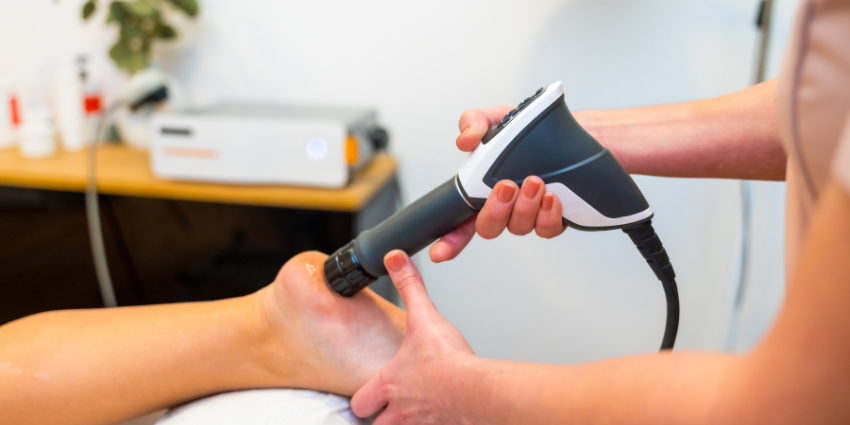
  • What is Shockwave Therapy? It involves applying high-energy sound waves to the injured tendon. These shockwaves help increase blood flow to the area, stimulate tissue repair, and break down calcifications or scar tissue, promoting faster healing.

  • Why use it for Achilles Tendinopathy? Shockwave Therapy has been shown to be highly effective for chronic tendon injuries like Achilles tendinopathy, especially when other treatments haven’t provided sufficient relief. Research has demonstrated significant improvements in pain levels and function with Shockwave Therapy for patients with persistent Achilles issues.

  • When should you consider Shockwave Therapy? If you’ve been dealing with Achilles tendinopathy for more than 3 months and have not seen significant improvement with conventional treatments, Shockwave Therapy could be a game-changer. It’s non-invasive, safe, and has minimal recovery time, allowing you to continue physiotherapy alongside treatment.

Conclusion

Achilles tendinopathy is a challenging injury that can impact your mobility and quality of life. However, with the right treatment plan, including physiotherapy and possibly Shockwave Therapy, you can overcome the condition and return to your active lifestyle. If you’re struggling with Achilles pain or suspect you might have tendinopathy, contact Nine Physio today to discuss how we can help you recover and stay injury-free.

Shockwave Therapy

Unlock the Power of Shockwave Therapy...

We are excited to introduce Shockwave Therapy to our clinic—a revolutionary, non-invasive treatment that has shown significant success in treating a variety of musculoskeletal conditions. In this blog, we’ll explore what Shockwave Therapy is, who can benefit from it, the types of injuries it addresses, and how effective it is based on the latest research.

Read More

Understanding Lower Back Injuries

complexities, symptoms and treatment...

Lower back injuries are a common complaint, affecting millions of people worldwide. The lower back, or lumbar region, is crucial for many everyday activities, providing support and facilitating movement. However, this area is also prone to injury due to its complexity and the demands placed upon it. In this blog, we will explore why accurately assessing lower back injuries can be challenging, the complexities of the lumbar region, the importance of the posterior chain, symptoms of lower back injuries, and how physiotherapy can help.

Read More

The Unsung Hero of Human Movement

the importance of the foot...

When we think about human stability, movement, and posture, we often focus on the core muscles, back, and legs. However, the foot is the unsung hero in our daily locomotion, playing a pivotal role in our ability to perform various activities, from sports to simple daily tasks. At Nine Physio, we believe in the power of understanding and maintaining foot health to enhance overall well-being.

Read More

Why running is important

the why, getting a plan and avoiding injuries…

Running is a universally accessible and highly beneficial activity that plays a crucial role in maintaining physical and mental health. It offers numerous advantages, including improved cardiovascular health, enhanced mental well-being, and the ability to build community connections.

Read More

The Silent Struggle

Exploring the psychological impact of injuries

Injuries are more than just physical setbacks; they can cast a shadow over one’s mental well-being, affecting various aspects of life beyond the realm of sports. From day-to-day functionality to the psychological toll of sidelined dreams, the impact of injuries can be profound. In this blog, we’ll delve into the multifaceted ways injuries can affect individuals mentally and emotionally, and explore how physiotherapy and touch therapies offer a beacon of hope.

1. The Mental Fallout of Injuries:
When injuries strike, they disrupt not only physical capabilities but also mental resilience. The sudden loss of mobility and independence can trigger feelings of frustration, helplessness, and even depression. Athletes may grapple with identity crises as their sense of self-worth becomes entwined with their athletic prowess. Moreover, the fear of missing out on cherished activities and social connections can exacerbate feelings of isolation and anxiety.

2. The Psychological Impact on Daily Function:
Injuries extend their reach beyond the sports arena, infiltrating every facet of daily life. Simple tasks that were once taken for granted become daunting challenges, leading to feelings of inadequacy and dependency. The inability to participate in hobbies, work responsibilities, and social gatherings can erode one’s sense of purpose and belonging. As the days drag on, the mental toll of confinement to the sidelines intensifies, casting a shadow over even the brightest moments.

Injuries are not just physical wounds; they are silent assailants that prey on the mind and spirit, casting shadows of doubt and despair.

3. The Mental Maze of Injuries:
Research underscores the profound toll injuries exact on mental health, unraveling a complex tapestry of emotions ranging from despair to identity crisis. Studies reveal a significant correlation between injury severity and psychological distress, with sidelined athletes grappling with feelings of helplessness, isolation, and even clinical depression. Moreover, the specter of uncertainty looms large, casting doubt on the feasibility of recovery and the resumption of normalcy.

4. The Psychological Paradox of Recovery:
While physical rehabilitation charts a course towards recovery, the journey is fraught with psychological hurdles that often go unnoticed. Research sheds light on the paradoxical nature of the recovery process, where progress on the physiotherapy table is juxtaposed with setbacks in the mind. Athletes navigate a precarious tightrope, oscillating between moments of hope and despair, as they confront the harsh realities of their new reality.

5. Physiotherapy: A Sanctuary for Mental Respite:
Amidst the chaos of injury-induced turmoil, physiotherapy offers not just physical restoration but also psychological solace. Beyond the confines of treatment protocols and exercise regimens, the therapeutic rapport between therapist and client fosters a safe space for emotional expression and catharsis. Research underscores the profound impact of therapeutic alliance on treatment outcomes, highlighting the pivotal role of empathy, validation, and emotional support in the healing process.

6. Harnessing the Healing Power Within:
Within the sacred confines of the physiotherapy session, individuals find respite from the cacophony of life’s distractions, allowing them to focus inward and confront their inner demons. As muscles loosen and tensions dissipate, so too do the layers of mental anguish, paving the way for clarity, introspection, and emotional release. Research suggests that mindfulness-based interventions integrated into physiotherapy sessions can enhance emotional regulation and promote resilience, empowering individuals to navigate the turbulent waters of recovery with newfound strength and serenity.

Conclusion:
Injuries are not just physical wounds; they are silent assailants that prey on the mind and spirit, casting shadows of doubt and despair. Yet, within the crucible of adversity lies the transformative potential of physiotherapy—a beacon of hope amidst the darkness. As individuals embark on the arduous journey of recovery, many find solace in the knowledge that healing is not just a destination but a holistic pilgrimage of mind, body, and soul.