
Understanding Knee Injuries
Understanding the Joint, Common Issues, and How to RecoverThe knee is one of the most important joints in your body, playing a vital role in movement, balance, and stability. Whether you’re running, jumping, or simply walking, your knees bear the brunt of your activities. Unfortunately, this also makes them prone to injury. In this blog, we’ll break down the basics of knee anatomy, discuss common injuries, and explore how physiotherapy can help you recover and prevent future problems.
The Anatomy of the Knee
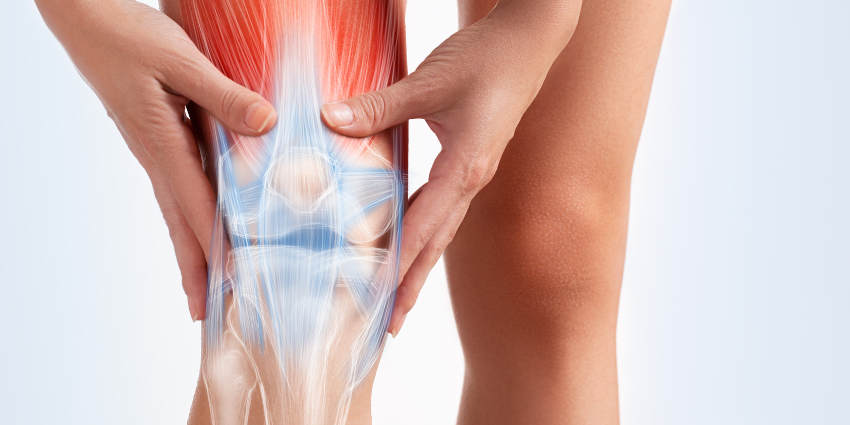
The knee is a hinge joint that allows bending and straightening, as well as slight rotation. Its key components include:
- Bones: The femur (thighbone), tibia (shinbone), and patella (kneecap).
- Ligaments: The ACL, PCL, MCL, and LCL provide stability by preventing excessive movement.
- Menisci: Two cartilage discs act as shock absorbers between the femur and tibia.
- Tendons: Connect muscles to bones, allowing movement.
- Bursae: Fluid-filled sacs that reduce friction between tissues.
Common Knee Injuries and Their Symptoms
- ACL Injuries: Often caused by sudden changes in direction or stops, common in sports like football or basketball. Symptoms include a popping sound, swelling, and instability.
- Meniscus Tears: Can occur from twisting or pivoting movements. Symptoms include pain, stiffness, and difficulty straightening the knee.
- Patellar Tendinitis: Known as “jumper’s knee,” it results from overuse and repetitive jumping. Expect tenderness around the kneecap.
- Runner’s Knee (Patellofemoral Pain Syndrome): Common in runners and cyclists, it presents as pain around or behind the kneecap, especially during bending.
- Osteoarthritis: A degenerative condition leading to stiffness, swelling, and pain due to cartilage breakdown.
- Bursitis: Inflammation of the bursae, fluid-filled sacs that cushion the joint, causing swelling and tenderness.
- IT Band Syndrome: Tightness in the iliotibial band, leading to pain on the outer knee, common in runners.
Knee injuries don’t just cause physical discomfort—they can disrupt your daily routine and impact your mental well-being. Pain and restricted movement may limit your ability to work, exercise, or participate in your favourite activities;
This loss of function can lead to frustration, stress, and even depression if not properly addressed.
Preventing Knee Injuries
Prevention is always better than cure. Here are some tips to protect your knees:
- Strengthen Supporting Muscles: Work on your quadriceps, hamstrings, and glutes to provide better knee support.
- Maintain Flexibility: Incorporate stretches for your calves, hamstrings, and hip flexors.
- Warm Up Properly: Prepare your body for exercise with dynamic stretches and mobility work.
- Use Correct Technique: Avoid poor form in sports or training, as it can place undue stress on the knees.
Recognising When to Seek Help
If you experience persistent knee pain, swelling, instability, or a loss of range of motion, it’s essential to consult a physiotherapist. Early intervention can prevent further damage and speed up recovery.
Physiotherapy plays a pivotal role in treating and preventing knee injuries. A tailored programme can include:
- Pain Management: Techniques like manual therapy and taping can alleviate discomfort.
- Strengthening Exercises: Targeting muscles like the quadriceps, hamstrings, and glutes to support knee stability.
- Mobility Work: Restoring range of motion through stretching and joint mobilisation.
- Gait Analysis: Identifying movement patterns that may contribute to injury and correcting them.
- Prevention Strategies: Education on proper warm-ups, cooldowns, and safe training techniques to minimise future risks.
Caring for Your Knees
Your knees are essential to daily function and athletic performance. By understanding their anatomy, recognising injury symptoms, and utilising the benefits of physiotherapy, you can maintain healthy, strong knees for years to come. At Nine Physio, we’re here to support your recovery and help you get back to doing what you love, pain-free.