
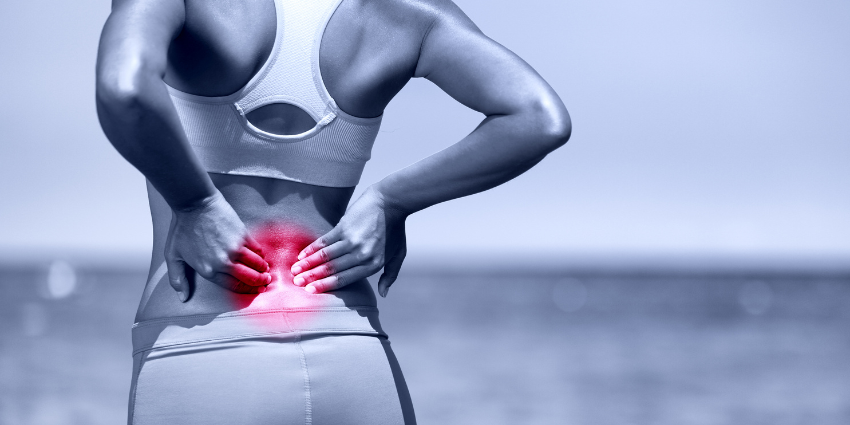
Understanding Lower Back Injuries
complexities, symptoms and treatment...Lower back injuries are a common complaint, affecting millions of people worldwide. The lower back, or lumbar region, is crucial for many everyday activities, providing support and facilitating movement. However, this area is also prone to injury due to its complexity and the demands placed upon it. In this blog, we will explore why accurately assessing lower back injuries can be challenging, the complexities of the lumbar region, the importance of the posterior chain, symptoms of lower back injuries, and how physiotherapy can help.
Lower back injuries are complex and challenging to assess, but understanding the intricacies of the lumbar region and the importance of the posterior chain can aid in effective treatment.
Why is it Difficult to Accurately Assess Lower Back Injuries?
Accurately diagnosing lower back injuries is challenging for several reasons:
Complex Anatomy: The lower back comprises various structures, including vertebrae, intervertebral discs, ligaments, muscles, nerves, and blood vessels. Differentiating which structure is causing pain can be difficult.
Referred Pain: Pain in the lower back can be referred from other areas, such as the hips, pelvis, or even internal organs. This can complicate the diagnosis.
Subjective Nature of Pain: Pain is a subjective experience and can vary widely between individuals. This variability makes it hard to quantify and assess accurately.
Overlapping Symptoms: Many lower back conditions have similar symptoms, making it difficult to distinguish between them without detailed imaging and diagnostic tests.
The Complexities of the Lower Back
The lower back is a biomechanical marvel, designed to provide both stability and mobility. Key components include:
Vertebrae: The lumbar spine consists of five vertebrae (L1-L5), which are larger and stronger than those in other regions to support the weight of the upper body.
Intervertebral Discs: These discs act as shock absorbers between the vertebrae, allowing for flexibility and movement while protecting the spinal cord.
Muscles and Ligaments: Numerous muscles and ligaments support the lumbar spine, including the erector spinae, multifidus, and the thoracolumbar fascia.
Nerves: The lumbar spine houses nerves that branch out to the lower extremities, controlling muscle movements and sensations in the legs.
The Importance of the Posterior Chain
The posterior chain is a group of muscles that includes the lower back, glutes, hamstrings, and calves. These muscles are crucial for:
Posture: The posterior chain helps maintain proper alignment and posture, reducing the risk of injury.
Function and Form: Strong posterior chain muscles contribute to efficient movement patterns and help prevent compensatory movements that can lead to injury.
Stability: A well-conditioned posterior chain provides stability to the lower back and pelvis, essential for activities like lifting, running, and jumping.
Symptoms of Lower Back Injuries
Lower back injuries can manifest through various symptoms, including:
Pain: Localized or radiating pain, which can be sharp, dull, or throbbing.
Stiffness: Reduced flexibility and difficulty in moving the lower back.
Muscle Spasms: Involuntary contractions of the muscles in the lower back.
Numbness or Tingling: Often felt in the legs or feet, indicating nerve involvement.
Weakness: Reduced strength in the lower back or legs, impacting mobility and function.
How Physiotherapy Can Help
Physiotherapy is a cornerstone in the management and rehabilitation of lower back injuries. Here’s how it can help:
Assessment and Diagnosis: Physiotherapists use a combination of physical examination, patient history, and diagnostic tests to accurately assess the injury.
Pain Relief: Techniques such as manual therapy, massage, and modalities like heat/cold therapy and electrical stimulation can help alleviate pain.
Exercise Therapy: Tailored exercise programs aim to strengthen the muscles of the lower back and posterior chain, improve flexibility, and enhance overall function.
Education: Physiotherapists educate patients on posture, ergonomics, and body mechanics to prevent future injuries.
Functional Training: Focused on restoring normal movement patterns and function, enabling patients to return to their daily activities and sports.
Common Conditions Treated with Physiotherapy
- Muscle Strains and Sprains: Caused by overuse, improper lifting, or sudden movements.
- Herniated Discs: When the intervertebral disc protrudes and compresses nearby nerves.
- Sciatica: Pain radiating along the sciatic nerve, often due to a herniated disc or spinal stenosis.
- Degenerative Disc Disease: Age-related changes in the discs that cause pain and stiffness.
- Sacroiliac Joint Dysfunction: Pain originating from the sacroiliac joint connecting the spine to the pelvis.
Conclusion
Lower back injuries are complex and challenging to assess, but understanding the intricacies of the lumbar region and the importance of the posterior chain can aid in effective treatment. Physiotherapy plays a vital role in managing these injuries, providing pain relief, improving function, and preventing recurrence. By addressing the root causes and educating patients, physiotherapists help individuals achieve long-term recovery and maintain a healthy, active lifestyle.