
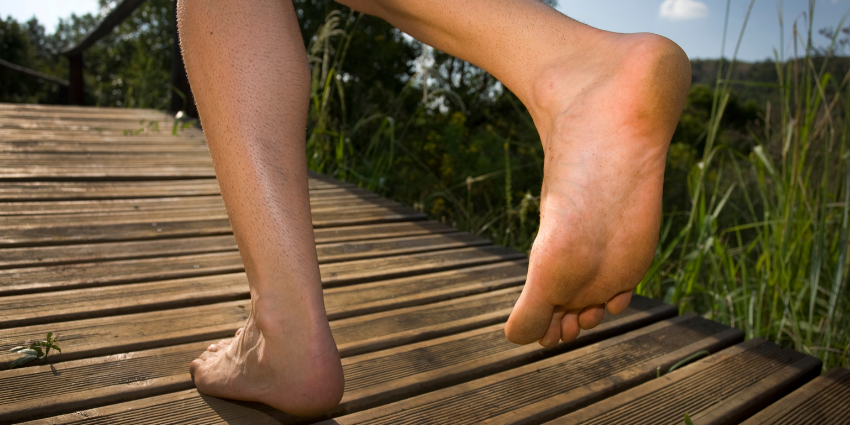
Barefoot or Cushioned Trainers?
What's best for our feet...The debate between barefoot movement or minimal trainers and cushioned trainers has gained traction in recent years. Both approaches have their advocates and benefits, but understanding their impact on foot health can help you make an informed decision.
The Benefits of Barefoot Movement and Minimal Trainers
Barefoot movement and minimal trainers aim to mimic the natural state of the foot, allowing it to move more freely and engage its muscles more actively.
Here are some potential benefits:
- Enhanced Foot Strength: Walking or running barefoot or in minimal trainers can strengthen the muscles, tendons, and ligaments in your feet, leading to improved stability and balance.
- Improved Proprioception: Barefoot movement enhances sensory feedback from the ground, helping you develop better awareness of your foot positioning and movement patterns.
- Natural Gait: Minimal footwear encourages a more natural gait pattern, potentially reducing the risk of certain injuries related to unnatural foot mechanics, such as heel strikes common with heavily cushioned shoes.
The Role of Cushioned Trainers
Cushioned trainers, on the other hand, provide substantial padding and support, which can be beneficial for certain activities and foot conditions:
- Shock Absorption: The cushioning in these trainers helps absorb impact forces, which can reduce strain on the joints and prevent injuries, especially during high-impact activities like running on hard surfaces.
- Support for Specific Foot Conditions: Individuals with specific foot issues, such as plantar fasciitis or flat feet, might benefit from the additional support and structure provided by cushioned trainers.
- Comfort for Long Distances: For long-distance runners or those spending extended periods on their feet, cushioned trainers can provide the comfort needed to prevent fatigue and discomfort.
Transitioning to Minimal Footwear: How to Do It Safely
If you decide to switch from cushioned trainers to minimal footwear or barefoot movement, it’s crucial to make the transition gradually to avoid injuries. Here’s a suggested approach:
- Start Slowly: Begin by wearing minimal trainers for short periods during low-impact activities, such as walking or light jogging. Gradually increase the duration as your feet adapt.
- Incorporate Strengthening Exercises: Strengthen your feet and lower legs with exercises such as toe curls, calf raises, and foot arch strengthening exercises to prepare them for the new demands.
- Listen to Your Body: Pay attention to any signs of discomfort or pain. If you experience persistent pain, reduce the time spent in minimal footwear and allow your feet to recover.
- Progress Gradually: Over a period of several weeks to months, slowly increase the intensity and duration of activities performed in minimal trainers. This gradual progression helps your feet adapt without overloading them.
How Physiotherapy Can Help with the Transition
- Personalized Assessment: A physiotherapist can assess your foot mechanics, gait, and overall movement patterns to determine the best approach for transitioning to minimal footwear.
- Customized Transition Plan: We develop a tailored plan that includes gradual progression, strengthening exercises, and tips to prevent injuries during the transition.
- Monitoring and Support: Throughout the transition, we provide ongoing monitoring and support, adjusting the plan as needed to ensure your feet adapt safely and effectively.
Conclusion
Choosing between barefoot movement, minimal trainers, and cushioned trainers depends on individual preferences, foot health, and activity levels. Both approaches have their merits, and a gradual transition with proper guidance can help you enjoy the benefits of minimal footwear while minimizing the risk of injury. At Nine Physio, we’re here to support your foot health journey, ensuring you stay active and injury-free regardless of your footwear choice.