
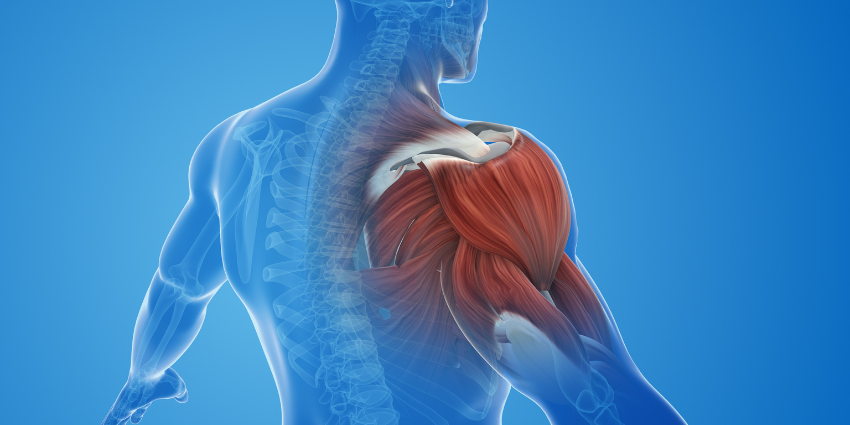
Understanding the shoulder
Preventing, and treating common shoulder injuries...The shoulder is one of the most complex and versatile joints in the human body, playing a crucial role in both athletic performance and everyday activities. From throwing a ball to reaching for an item on a high shelf, the shoulder’s anatomy and function are integral to our mobility and functionality. In this blog, we’ll delve into the basic anatomy of the shoulder joint, explore its significance in sports performance and daily function, whilst looking at how we can navigate shoulder injuries.
Anatomy of the Shoulder:
The shoulder joint, also known as the glenohumeral joint, is a ball-and-socket joint formed by the articulation of the humerus (upper arm bone) with the scapula (shoulder blade). This unique structure allows for a wide range of motion in multiple directions, including flexion, extension, abduction, adduction, and rotation.
Key Components:
Rotator Cuff: Comprising four muscles and their tendons (supraspinatus, infraspinatus, teres minor, and subscapularis), the rotator cuff plays a vital role in stabilizing the shoulder joint and facilitating overhead movements.
Glenoid Labrum: A fibrous ring of cartilage that surrounds the shallow socket of the scapula, the glenoid labrum enhances joint stability and provides a cushioning effect.
Ligaments and Tendons: Various ligaments and tendons reinforce the shoulder joint, connecting bones and providing support during movement.
Bursae: Small, fluid-filled sacs located between bones and soft tissues, bursae reduce friction and facilitate smooth movement of the shoulder structures.
Function in Sports and Daily Activities:
In sports, the shoulder’s mobility and stability are essential for optimal performance in activities such as throwing, swimming, serving in tennis, and lifting weights. Athletes rely on strong and resilient shoulders to generate power, accuracy, and speed in their respective sports.
In daily life, the shoulder enables us to perform a myriad of tasks, including reaching, lifting, pushing, and pulling. From carrying groceries to brushing our hair, the shoulder’s flexibility and strength contribute to our overall functionality and independence.
Understanding the basic anatomy and function of the shoulder is fundamental for athletes seeking to optimize performance and individuals striving for everyday mobility. By recognizing the intricate structures and mechanisms that comprise the shoulder joint, we can appreciate its significance in sports performance and daily function, while also nurturing its health and longevity through proper care and conditioning.
Navigating Shoulder Injuries:
Shoulder injuries are a prevalent concern for athletes and active individuals, often stemming from the demands of sports and daily activities. From rotator cuff strains to labral tears, these injuries can disrupt performance and hinder daily function. So let’s explore the spectrum of shoulder injuries encountered in sports and functional movements, providing insights into their causes, prevention strategies, treatment options and how a physiotherapist might approach these types of injuries.
- The Anatomy of Vulnerability:
Understanding the unique anatomy of the shoulder illuminates why it’s prone to injury. We’ll dissect the intricate structures involved, including the rotator cuff, labrum, and surrounding ligaments, and how their vulnerability increases during sports-specific movements. By grasping these anatomical nuances, athletes can better appreciate the mechanisms underlying shoulder injuries.
- Identifying Common Shoulder Injuries:
From overuse injuries like tendinopathies and bursitis to acute traumas like dislocations and separations, shoulder injuries manifest in various forms. We’ll delineate the distinctive features of each injury type, delving into their symptoms, risk factors, and diagnostic approaches. By recognizing the signs early on, athletes can seek timely intervention and prevent further damage.
- Prevention Strategies:
Preventing shoulder injuries requires a multifaceted approach encompassing strength training, mobility work, and technique refinement. We’ll outline proactive measures athletes can take, such as incorporating proper warm-ups, optimizing biomechanics, and implementing targeted exercises to bolster shoulder stability and resilience. By prioritizing injury prevention, athletes can prolong their careers and enhance performance longevity.
- Treatment Modalities:
When injuries occur, prompt and effective treatment is essential to facilitate recovery and prevent complications. We’ll explore the spectrum of treatment modalities available, from conservative measures like rest, ice, and physical therapy to surgical interventions for severe cases. Additionally, we’ll highlight emerging therapies and rehabilitation protocols aimed at expediting healing and restoring function.
- Rehabilitation and Return to Sport:
Rehabilitation is a critical phase in the recovery journey, focusing on restoring strength, mobility, and neuromuscular control.
We’ll delve into the principles of shoulder rehabilitation, including progressive exercises, manual therapy techniques, and functional movement patterns tailored to each injury type. By adhering to a comprehensive rehabilitation program, athletes can regain confidence and safely return to their sport.
Conclusion:
Shoulder injuries are an inherent risk in sports and functional movements, but they need not derail an athlete’s aspirations. By arming themselves with knowledge about shoulder anatomy, injury mechanisms, and prevention strategies, athletes can proactively mitigate risks and safeguard their shoulder health. Remember, prevention is always better than cure, but in the event of injury, timely intervention and diligent rehabilitation pave the way for a successful comeback.