Treatment Location
The Villa, 9 Lansdowne Square, Weymouth, Dorset DT4 9QT

Bringing Physiotherapy to the doorstep

the importance of community phsyiotherapy...

Community Physiotherapy is a specialized service that extends physiotherapy care beyond the traditional clinical setting. This service is aimed at individuals who face challenges in accessing clinic-based services, including those with mobility problems, the elderly, post-surgery patients, stroke survivors, and individuals with respiratory conditions.  Physiotherapists provide comprehensive care in the comfort of your home, workplace, care home, or community center.

Read More

The Unsung Hero of Human Movement

the importance of the foot...

When we think about human stability, movement, and posture, we often focus on the core muscles, back, and legs. However, the foot is the unsung hero in our daily locomotion, playing a pivotal role in our ability to perform various activities, from sports to simple daily tasks. At Nine Physio, we believe in the power of understanding and maintaining foot health to enhance overall well-being.

Read More

Why running is important

the why, getting a plan and avoiding injuries…

Running is a universally accessible and highly beneficial activity that plays a crucial role in maintaining physical and mental health. It offers numerous advantages, including improved cardiovascular health, enhanced mental well-being, and the ability to build community connections.

Read More

The Silent Struggle

Exploring the psychological impact of injuries

Injuries are more than just physical setbacks; they can cast a shadow over one’s mental well-being, affecting various aspects of life beyond the realm of sports. From day-to-day functionality to the psychological toll of sidelined dreams, the impact of injuries can be profound. In this blog, we’ll delve into the multifaceted ways injuries can affect individuals mentally and emotionally, and explore how physiotherapy and touch therapies offer a beacon of hope.

1. The Mental Fallout of Injuries:
When injuries strike, they disrupt not only physical capabilities but also mental resilience. The sudden loss of mobility and independence can trigger feelings of frustration, helplessness, and even depression. Athletes may grapple with identity crises as their sense of self-worth becomes entwined with their athletic prowess. Moreover, the fear of missing out on cherished activities and social connections can exacerbate feelings of isolation and anxiety.

2. The Psychological Impact on Daily Function:
Injuries extend their reach beyond the sports arena, infiltrating every facet of daily life. Simple tasks that were once taken for granted become daunting challenges, leading to feelings of inadequacy and dependency. The inability to participate in hobbies, work responsibilities, and social gatherings can erode one’s sense of purpose and belonging. As the days drag on, the mental toll of confinement to the sidelines intensifies, casting a shadow over even the brightest moments.

Injuries are not just physical wounds; they are silent assailants that prey on the mind and spirit, casting shadows of doubt and despair.

3. The Mental Maze of Injuries:
Research underscores the profound toll injuries exact on mental health, unraveling a complex tapestry of emotions ranging from despair to identity crisis. Studies reveal a significant correlation between injury severity and psychological distress, with sidelined athletes grappling with feelings of helplessness, isolation, and even clinical depression. Moreover, the specter of uncertainty looms large, casting doubt on the feasibility of recovery and the resumption of normalcy.

4. The Psychological Paradox of Recovery:
While physical rehabilitation charts a course towards recovery, the journey is fraught with psychological hurdles that often go unnoticed. Research sheds light on the paradoxical nature of the recovery process, where progress on the physiotherapy table is juxtaposed with setbacks in the mind. Athletes navigate a precarious tightrope, oscillating between moments of hope and despair, as they confront the harsh realities of their new reality.

5. Physiotherapy: A Sanctuary for Mental Respite:
Amidst the chaos of injury-induced turmoil, physiotherapy offers not just physical restoration but also psychological solace. Beyond the confines of treatment protocols and exercise regimens, the therapeutic rapport between therapist and client fosters a safe space for emotional expression and catharsis. Research underscores the profound impact of therapeutic alliance on treatment outcomes, highlighting the pivotal role of empathy, validation, and emotional support in the healing process.

6. Harnessing the Healing Power Within:
Within the sacred confines of the physiotherapy session, individuals find respite from the cacophony of life’s distractions, allowing them to focus inward and confront their inner demons. As muscles loosen and tensions dissipate, so too do the layers of mental anguish, paving the way for clarity, introspection, and emotional release. Research suggests that mindfulness-based interventions integrated into physiotherapy sessions can enhance emotional regulation and promote resilience, empowering individuals to navigate the turbulent waters of recovery with newfound strength and serenity.

Conclusion:
Injuries are not just physical wounds; they are silent assailants that prey on the mind and spirit, casting shadows of doubt and despair. Yet, within the crucible of adversity lies the transformative potential of physiotherapy—a beacon of hope amidst the darkness. As individuals embark on the arduous journey of recovery, many find solace in the knowledge that healing is not just a destination but a holistic pilgrimage of mind, body, and soul.

Understanding the shoulder

Preventing, and treating common shoulder injuries...

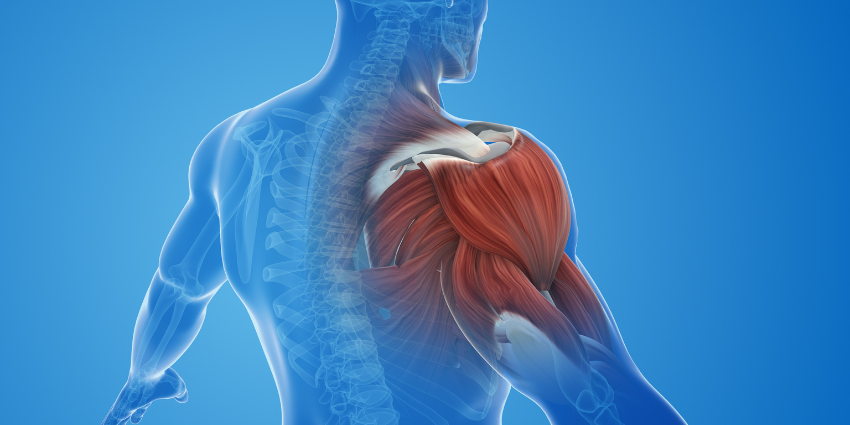
The shoulder is one of the most complex and versatile joints in the human body, playing a crucial role in both athletic performance and everyday activities. From throwing a ball to reaching for an item on a high shelf, the shoulder’s anatomy and function are integral to our mobility and functionality. In this blog, we’ll delve into the basic anatomy of the shoulder joint, explore its significance in sports performance and daily function, whilst looking at how we can navigate shoulder injuries.

Read More

The cross-training advantage

Elevating performance across sports...

What is it?  Cross-training encompasses a diverse range of activities such as running, weightlifting, circuit training, Yoga and calisthenics and has become increasingly popular amongst athletes seeking to optimise their performance, develop overall fitness and prevent injuries.  For many, cross-training is used to complement their primary sport or fitness regimen and for others this method of training is their fitness regime / sport.

Cross-training can also help athletes overcome plateaus in performance by challenging the body in new ways and promoting continued adaptation and improvement. For example, a cyclist may incorporate strength training to improve power output during sprints or climbs, whilst a football player may include agility drills to improve their speed, change of direction, visual and auditory cues on the field of play.

While cross-training offers numerous benefits, it also presents unique challenges that athletes may encounter along their fitness journey.  Here, we delve into the multifaceted advantages of cross-training, while addressing potential hurdles and offer some suggestions on how to overcome these challenges.

1.     Reduced or increased risk of injuries?  By incorporating different movements and exercises into your training routine, you can reduce the repetitive stress on specific muscles and joints that can lead to overuse injuries.  Cross-training helps to address muscular imbalances and weaknesses that can predispose athletes to injury. By engaging in activities that target different muscle groups and movement patterns, you can improve overall strength, stability, and flexibility, reducing the risk of injury and preventing overuse injuries such as stress fractures, tendinopathies, and muscle strains, allowing you to consistently train and stay healthy for the long term.

For example, runners can benefit from incorporating strength training exercises for the core and lower body to improve running mechanics and reduce the risk of common running injuries such as patellofemoral pain or IT band syndrome. Additionally, activities like yoga or Pilates can help improve flexibility and joint mobility, further reducing the risk of injury.

On the flip side of this, the dynamic nature of some cross-training workouts can sometimes lead to musculoskeletal imbalances and movement dysfunctions, increasing the risk of injury, especially when accompanied by doing too much too soon,  It’s important to seek out targeted interventions to address these imbalances, restore optimal movement mechanics, and improve performance efficiency and athletic performance.  These can include biomechanical assessments, manual therapy techniques, activation work and tailored corrective exercise programs.

2.     Enhanced overall fitness. Cross-training promotes holistic fitness not just by engaging different muscle groups, but also different energy systems. Unlike traditional training methods that may focus on specific movements or muscle groups, cross-training offers a more comprehensive approach, leading to improvements in cardiovascular endurance, muscular strength, flexibility, and agility. By diversifying your training regimen, you can develop a well-rounded fitness base that translates to improved performance in various activities and your chosen sport.

3. Improved Muscular Balance and Symmetry. Most sports and fitness activities emphasize certain muscle groups while neglecting others, leading to muscular imbalances and asymmetries.  In racket sports such as tennis, cross-training can significantly improve muscular balance and symmetry within the body. Tennis players often develop muscular imbalances due to the repetitive nature of their sport, which predominantly engages muscles on one side of the body, such as the dominant arm, shoulder, and leg.

By incorporating cross-training activities like swimming into their fitness regimen, tennis players engage a wider range of muscles and movement patterns. Swimming, for example, involves bilateral movements of the arms and legs, promoting symmetrical muscle development throughout the body.

Additionally, activities like yoga or Pilates can help strengthen the core muscles and improve overall stability, which is crucial for maintaining balance and preventing injuries on the tennis court.  Through consistent cross-training, racket sports players can address muscular imbalances, promote symmetrical muscle development, and enhance overall athleticism, ultimately leading to an improved performance and reduced risk of injuries.

4. Enhanced Recovery and Regeneration.  Engaging in low-impact activities during recovery periods can promote blood flow to muscles, facilitate the removal of metabolic waste products, and accelerate the repair and regeneration of tissues. Cross-training activities such as swimming, cycling, or yoga provide an opportunity for active recovery, allowing athletes to maintain fitness levels while giving their bodies a break from high-intensity training. This can help reduce muscle soreness, improve joint mobility, and enhance overall recovery between workouts, enabling athletes to train more consistently and effectively over time.

5. Mental Refreshment and Motivation. Cross-training offers a welcome change of pace from the monotony of traditional training routines, keeping workouts fresh, enjoyable, and mentally stimulating. By varying your activities and trying new challenges, you can prevent boredom and burnout, maintain motivation, and sustain long-term adherence to your fitness goals. Whether it’s exploring new trails on a bike ride, mastering a new yoga pose or Olympic lift, or joining a group fitness class, cross-training provides endless opportunities for personal growth, keeping your fitness journey engaging and rewarding.

5. Injury Rehabilitation. For athletes recovering from injury, cross-training can provide a safe and effective way to maintain fitness levels while allowing the injured area to heal.  For most athletes, it’s a simple case of listening to your body, recognising what’s going on and being honest with yourself.  Ignoring an injury or a niggle and continuing to train as you normally would, will generally not give you the outcome that you may be seeking.

Conclusion. Incorporating cross-training into your fitness regimen can offer numerous benefits, including reduced risk of injury, improved overall fitness, and enhanced athletic performance. Whether you’re a competitive athlete or a recreational fitness enthusiast, integrating a variety of activities into your training routine can help you reach your goals and stay healthy and injury-free for the long term. So, mix it up, try new activities, and unlock a wealth of benefits for your body and mind.


Training through Injury

Successfully navigating the road to recovery...

For athletes, both competitive and recreational, the desire to continue training despite injury is often deeply ingrained. Whether driven by passion, dedication, or the fear of losing progress, the impulse to push through can be strong. However, it’s crucial to approach training with an injury with caution and consideration. In this blog, we’ll explore why athletes are inclined to continue training despite injury, the important factors to consider when doing so, and the key aspects of a progressive physiotherapy plan for effective rehabilitation.

Read More

Pain Free Ageing

Why we shouldn't accept pain as a natural part of ageing...

As we journey through life, it’s not uncommon to encounter the occasional ache or pain, particularly as we age. However, accepting these discomforts as an inevitable part of getting older may not be the only option. In this blog, we’ll explore the misconception surrounding age-related aches and pains and delve into proactive strategies to maintain an active lifestyle without unnecessary discomfort. From understanding the importance of posture to optimising movement patterns for sports participation, let’s uncover how embracing a holistic approach to wellness can defy the notion of ageing gracefully. 

Read More

Understanding Shoulder Injuries

Recognising symptoms and recovery strategies

Shoulder injuries are a common occurrence in the realm of sports, presenting significant challenges not only to athletes striving for peak performance, but for individuals wanting to train for their chosen sport and pursue longevity in their respective disciplines. These injuries not only hinder athletic prowess but also impact everyday activities, underscoring the importance of recognising their signs and symptoms early on.

The shoulder is a complicated joint that we rely on more than we sometimes realise.  I’ve taken a look at eight prevalent shoulder injuries that people can often encounter whilst taking part in their chosen sport, and attempted to shed some light on their nuances and provide a glimpse into identifying symptoms and implementing tailored recovery strategies.  The profound impact of shoulder injuries on athletes’ lives can be overwhelming.  Hopefully, with a little knowledge, you’ll be able to navigate these challenges a little more effectively.  So, let’s try to unravel the complexities of shoulder injuries and equip athletes with the tools to overcome them, fostering resilience and facilitating a triumphant return to sporting arena…

Read More