
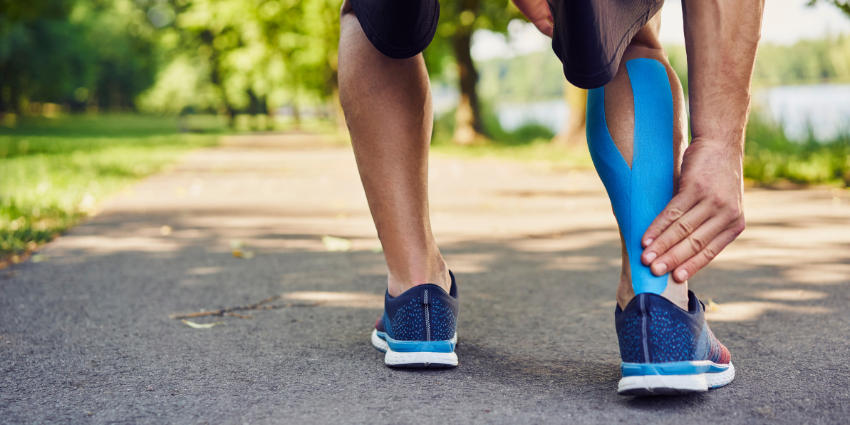
Understanding Achilles Tendinopathy:
Causes, Symptoms, and Effective TreatmentsThe Achilles tendon is one of the most important structures in your lower leg. Whether you’re a runner, a sports enthusiast, or simply leading an active lifestyle, your Achilles plays a crucial role in helping you move. Unfortunately, it’s also prone to injury, particularly Achilles tendinopathy, which can be painful and debilitating. In this blog, we’ll explore the function of the Achilles tendon, delve into Achilles tendinopathy, discuss other injuries that can be mistaken for it, and look at how physiotherapy and Shockwave Therapy can offer relief.
What is the Achilles Tendon and What Does It Do?
The Achilles tendon is the largest and strongest tendon in your body, connecting the calf muscles (gastrocnemius and soleus) to the heel bone (calcaneus). This tendon allows you to perform actions like walking, running, jumping, and standing on your toes. Essentially, every time you push off the ground with your foot, your Achilles tendon is doing the heavy lifting.
Achilles Tendinopathy: A Common, Debilitating Injury;
Achilles tendinopathy is a condition that occurs when the tendon becomes irritated, inflamed, or degenerates due to overuse or strain. It typically develops gradually over time, causing pain, stiffness, and swelling around the back of the ankle or lower calf.
How is Achilles Tendinopathy Caused?
Achilles tendinopathy is often caused by repetitive stress or overloading of the tendon. Common risk factors include:
- Overuse from running or jumping sports: Activities like running, basketball, and tennis place a lot of stress on the Achilles tendon, leading to micro-tears in the tissue.
- Sudden increase in activity levels: Going from little activity to intense training can strain the tendon.
- Tight calf muscles: Limited flexibility in the calf muscles can put extra pressure on the Achilles tendon.
- Improper footwear: Wearing shoes that lack proper support or have worn-out soles can contribute to the condition.
- Aging: As we age, the Achilles tendon becomes less flexible, increasing the risk of injury.
The Debilitating Effects of Achilles Tendinopathy
Achilles tendinopathy can be a frustrating condition for athletes and active individuals. The pain often starts as mild discomfort, but it can worsen over time, becoming chronic and affecting your ability to perform daily activities. In severe cases, the tendon may weaken, leading to a higher risk of a complete Achilles rupture, which requires surgery and a lengthy rehabilitation.
Key symptoms include:
- Pain and stiffness in the tendon, especially in the morning.
- Swelling or thickening of the tendon.
- Difficulty with activities like walking, running, or climbing stairs.
- Tenderness and pain when pressing on the tendon.
Other Injuries Often Mistaken for Achilles Tendinopathy
Several other conditions can present similar symptoms to Achilles tendinopathy, which makes it important to have a proper diagnosis. These include:
Achilles Bursitis: Inflammation of the bursae (small fluid-filled sacs) near the Achilles tendon can cause pain and swelling similar to tendinopathy. This is often caused by pressure from footwear.
Posterior Tibial Tendon Dysfunction (PTTD): This condition affects the tendon running along the inside of the ankle and can cause pain that radiates toward the Achilles tendon area.
Plantar Fasciitis: Though the pain is usually felt under the heel, some patients with plantar fasciitis can experience discomfort in areas that overlap with Achilles tendon pain.
Calf Strain: Strains of the gastrocnemius or soleus muscles may mimic the pain associated with Achilles tendinopathy, especially if the strain is lower in the calf.
Treatment Options for Achilles Tendinopathy
Effective management of Achilles tendinopathy focuses on reducing pain, promoting healing, and restoring the strength and flexibility of the tendon. Here’s how physiotherapy and Shockwave Therapy can help.
Physiotherapy for Achilles Tendinopathy
A structured physiotherapy program is essential in treating Achilles tendinopathy. It can help you recover from the injury and reduce the likelihood of recurrence.
Eccentric Strengthening Exercises: One of the most effective treatments for Achilles tendinopathy is eccentric loading exercises, which involve lengthening the Achilles tendon under tension. This helps to rebuild tendon strength and resilience.
Stretching and Mobility Work: Gentle calf stretches can improve flexibility in the muscles surrounding the Achilles, reducing stress on the tendon.
Manual Therapy: Hands-on treatments such as deep tissue massage, joint mobilizations, and trigger point release can relieve tension in the muscles around the tendon and improve blood flow to the area.
Activity Modification: Reducing high-impact activities like running or jumping can allow the tendon to heal. Cross-training options such as swimming or cycling to maintain fitness during recovery can be really helpful.
Footwear and Orthotics: Wearing proper supportive footwear and, in some cases, using orthotic inserts can help alleviate stress on the Achilles. Whilst we are big advocates for minimal support for your feet, there does come a time when that support becomes essential.
When is Shockwave Therapy a Good Idea?
Shockwave Therapy can be an excellent option when traditional physiotherapy techniques are not enough to resolve Achilles tendinopathy. Here’s how it works:
What is Shockwave Therapy? It involves applying high-energy sound waves to the injured tendon. These shockwaves help increase blood flow to the area, stimulate tissue repair, and break down calcifications or scar tissue, promoting faster healing.
Why use it for Achilles Tendinopathy? Shockwave Therapy has been shown to be highly effective for chronic tendon injuries like Achilles tendinopathy, especially when other treatments haven’t provided sufficient relief. Research has demonstrated significant improvements in pain levels and function with Shockwave Therapy for patients with persistent Achilles issues.
When should you consider Shockwave Therapy? If you’ve been dealing with Achilles tendinopathy for more than 3 months and have not seen significant improvement with conventional treatments, Shockwave Therapy could be a game-changer. It’s non-invasive, safe, and has minimal recovery time, allowing you to continue physiotherapy alongside treatment.
Conclusion
Achilles tendinopathy is a challenging injury that can impact your mobility and quality of life. However, with the right treatment plan, including physiotherapy and possibly Shockwave Therapy, you can overcome the condition and return to your active lifestyle. If you’re struggling with Achilles pain or suspect you might have tendinopathy, contact Nine Physio today to discuss how we can help you recover and stay injury-free.