
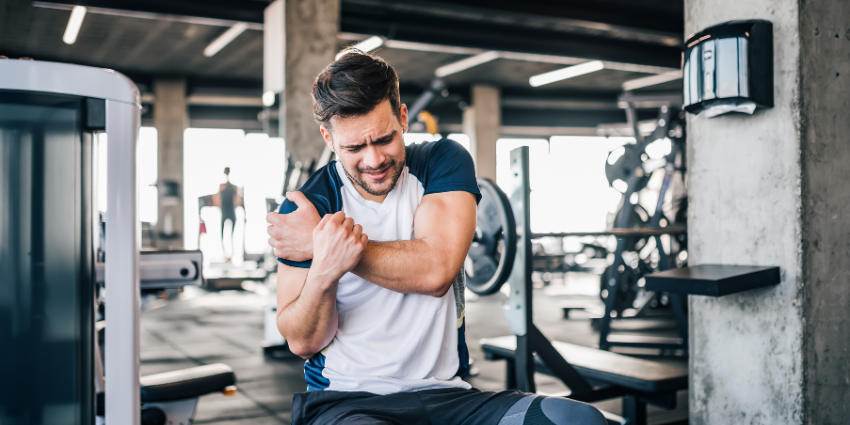
Understanding Shoulder Injuries
Recognising symptoms and recovery strategiesShoulder injuries are a common occurrence in the realm of sports, presenting significant challenges not only to athletes striving for peak performance, but for individuals wanting to train for their chosen sport and pursue longevity in their respective disciplines. These injuries not only hinder athletic prowess but also impact everyday activities, underscoring the importance of recognising their signs and symptoms early on.
The shoulder is a complicated joint that we rely on more than we sometimes realise. I’ve taken a look at eight prevalent shoulder injuries that people can often encounter whilst taking part in their chosen sport, and attempted to shed some light on their nuances and provide a glimpse into identifying symptoms and implementing tailored recovery strategies. The profound impact of shoulder injuries on athletes’ lives can be overwhelming. Hopefully, with a little knowledge, you’ll be able to navigate these challenges a little more effectively. So, let’s try to unravel the complexities of shoulder injuries and equip athletes with the tools to overcome them, fostering resilience and facilitating a triumphant return to sporting arena…
-
Shoulder Dislocation:
- Symptoms: Sudden and intense shoulder pain, visible deformity, and loss of shoulder function.
- Causes: Traumatic impact or forceful movement, common in contact sports like football and rugby.
- Recovery Strategies: Immediate reduction, immobilisation, physiotherapy, and surgical intervention for recurrent dislocations.
-
Rotator Cuff Tears:
- Symptoms: Shoulder pain, weakness, and limited range of motion, especially during overhead activities.
- Causes: Repetitive overhead motions, acute trauma, prevalent in sports such as tennis and swimming.
- Recovery Strategies: Rest, physiotherapy, corticosteroid injections, and surgical repair for severe tears.
-
Labral Tears:
- Symptoms: Deep shoulder pain, clicking sensations, shoulder instability, and decreased range of motion.
- Causes: Overhead sports activities, repetitive motions, common in swimmers and weightlifters.
- Recovery Strategies: Rest, physiotherapy, and surgical intervention for severe tears.
-
Shoulder Impingement:
- Symptoms: Shoulder pain when lifting the arm overhead, reaching behind the back, or during specific movements.
- Causes: Repetitive overhead activities, structural abnormalities, common in sports like tennis, volleyball, crossfit and swimming.
- Recovery Strategies: Rest, activity modification, physiotherapy, focusing on shoulder strengthening and mechanics.
-
Shoulder Bursitis:
- Symptoms: Shoulder pain, tenderness, swelling, and warmth around the joint, exacerbated by overhead activities.
- Causes: Overuse, repetitive motions, common in sports requiring repetitive overhead movements such as tennis, volleyball, crossfit and swimming.
- Recovery Strategies: Rest, ice therapy, anti-inflammatory medications, physiotherapy, and corticosteroid injections.
-
AC Joint Sprain:
- Symptoms: Shoulder pain, swelling, and tenderness over the AC joint, especially during overhead movements or when lying on the affected side.
- Causes: Direct impact or fall onto the shoulder, common in sports like football, rugby, and skiing.
- Recovery Strategies: Rest, ice therapy, compression, physiotherapy focusing on shoulder stabilization.
-
Frozen Shoulder (Adhesive Capsulitis):
- Symptoms: Gradual onset of shoulder stiffness, pain, and limited range of motion, affecting everyday activities.
- Causes: Unknown, but often follows shoulder injury or immobilization, prevalent in various sports.
- Recovery Strategies: Gentle stretching exercises, physiotherapy, pain management, and sometimes surgical intervention.
-
Rotator Cuff Tendinopathies:
- Symptoms: Shoulder pain, particularly during overhead activities, weakness, and limited range of motion.
- Causes: Overuse, repetitive motions, aging, common in sports involving repetitive shoulder movements such as swimming, tennis, and crossfit.
- Recovery Strategies: Rest, activity modification, physiotherapy focusing on strengthening the rotator cuff muscles and improving shoulder mechanics, and anti-inflammatory medications.
Understanding the symptoms and recovery strategies for common shoulder injuries in sports is crucial for athletes’ well-being and performance. Whether it’s a dislocation, rotator cuff tear, or tendinopathy;
seeking timely medical attention and following comprehensive rehabilitation protocols are key to successful recovery and return to sport.
Remember, prioritising shoulder health and implementing preventive measures can help athletes stay in the game longer and perform at their best. As always it’s way better to prevent an injury than to have to deal with it, so consider mobility, strengthening, effective warm ups and post exercise activities on a daily basis to avoid the negative consequences of a sporting injury…